Thursday, May 9, 2019

Victorian Waterford Garden

Welcome back to WHMCC! 

Our 2019 season is open for visitors to stop by the Homestead in Northside Historic District

The Waterford Historical Museum is presenting "A Place For Nature In Victorian Waterford" this season. As you might expect with "nature" in the title, there are lots of pretty flowers and other plants to add a little color to the room.


While WHMCC is an exhibit-based museum (aka there are no rooms set up like the White family just stepped outside for moment), these kinds of exhibits are a fun way to bring to light the history of the house too. This exhibit is set up like a 19th century indoor garden space, complete with palm plants, orchids and, of course, a fern. You can't not have a fern!

Gardens were in public and private spaces during the Victorian era, as people attempted to bring nature more into their lives and into their personal space. Indoors gardens were a popular way to do so, sometimes with the effect of being surrounded by plant life in your own parlor. The importance was not just having a garden to show off to everyone that you could afford to maintain it (or just were able to not kill the plethora of plants....as some of us may or may not be able to make even the hardiest of plants give up after too much TLC...).

Nature in this era was simultaneously symbolic of the wild and untamable and the carefully cultivated; the romantic and spiritual qualities of connecting with nature on another level, and yet obsessively scientifically cataloging individual aspects of the world.


Sketch of the White Homestead taken from History of Saratoga County by Nathanial Bartlett Sylvester
Sketch of estate taken from History of Saratoga County
by Nathanial Bartlett Sylvester
The White estate in Waterford is a great example of the craze for gardens. Hugh White had his house built in 1830 along Saratoga Avenue/NY R32 with other mill/business owners in what is called "Mill Owner's Row". Coming from the founding family of Whitestown, Hugh operated the Harmony Mills factory and a variety of other businesses in addition to being a Congressman representing Saratoga County. The White Homestead is built in the popular Greek revival style for this time and had a conservatory attached to the southern end of the mansion (demolished 1950s), with several graperies and greenhouses on his meticulously tended land. He had the added pleasure of having his father-in-law move in across the street from him in a building with a matching façade and his own outdoor garden. Their gardens become known as a "friendly" rivalry (it was his father-in-law after all) between the two properties that were the first thing introducing anyone coming from the bridge connecting to Cohoes to Waterford.

This period also saw the development of the natural sciences, the park movement, the rural cemetery movement, and a boom in American art culture and literature all relating to nature - Herman Mellvile's house in Lansignburgh is celebrating his bicentennial this year! Waterford wasn't isolated enough not to be affected by these trends, with its impact still able to be seen in the landscape today.

This exhibit will run the museum season until October 27
 Admission $6 adults $5 children/seniors(65+)

Upcoming spring & summer events:

Paint & Sip on the Porch - June 8
12:30pm-2:30pm(RSVP Required - limited seating) $25 non-members $20 members

Waterford Steamboat Meet - July 6 
10am to dusk. WHMCC is not a vendor at this event, but it's a great way to view some interesting boats and the museum is just a short walk or drive away to come visit us!

"Along the Erie Canal" Author Open House - July 20 
1pm-2:30pm. $6 adults $5 children/seniors - Author Marvin Bubie will be on site to sign copies of his book and to discuss his research on the towns and villages that he's done along the Erie canal.

Waterford Porch Crawl - Sept. 14
1pm-4pm. Registration at the museum 1pm-3pm. $5 per person
Volunteer your porch in the event today! Learn more by contacting info@waterfordmuseum.com

Waterford Tugboat Roundup - 20th Anniversary - Sept. 6-8
Waterford Harbor Visitors Center -Stop by the museum's booth during the day.

Tugboat parade on Friday (usually around 6pm) & Fireworks on Saturday (around 9pm).

WHMCC doesn't have the daily schedule - we're just a participant! - so double check times with the Town


Special Thanks To Exhibit Sponsors:


One Day Signs

Valoze’s Greenhouse, Inc.

Felthousen’s Florist

Hewitt’s Garden Center

The Garceau Family

Patricia Burke

Teri Patton

Monday, May 6, 2019

Dopplegangers & Crystals & Waterford, NY

Meeting someone with the same name as you can be funny and maybe even a little frustrating given the right circumstances. Bob, meet Bobby; Cathy meet Kathy. Same thing goes for towns, villages and cities. That's not as much fun if the high school exchange students fly into Albany, Georgia without realizing that particular Albany airport was a few hundred miles off the target (true story).

So just how many Waterfords are there? Well, there's probably a Waterford in nearly every state (CT, OH, MI, PA, & NC the most recent WHMCC encounters with dopplegangers), and there are a lot of places that start with "Water" that may confuse people looking for say, Watertown.

View of the confluence of the Mohawk & Hudson Rivers in Waterford.
This picture was taken prior to the 2000 construction of the Visitors Center and
 waterfront park area that is open for visitors to the canal


WHMCC is also very often misidentified online with the Waterford Museum of Treasures and the Waterford County Museum - both of which are located in Waterford, Ireland. There have been instances where people have made appointments to meet with the WHMCC director only to learn they've been speaking with the United States of America rather than Ireland. Probably a slightly longer commute to reach us...

In case you're interested here are a few snapshots of a few of such conversations:


Waterford didn't take on its current name until 1794 when the village was incorporated. The Town of Waterford remained a part of Halfmoon until 1816 when the Town Board members living in what is now Waterford had enough of having to travel up to Halfmoon for monthly meetings. it was only thanks to the frequent use by European and then American military forces using the "Great Highway" route from Albany into Canada (Second Street in Waterford from Peebles Island State Park) during colonial times through the early 19th century that the area being known as "the fording place" really stuck as its name.

Before, different areas of Waterford under the Van Schaick Patent, otherwise known as the Halfmoon Patent, went by "Halfmoon On The Hudson", "Halfmoon Point", "Halfmoon Fort" (which was allowed to fall to ruin and be buried and built over to the effect that its actual location is not verifiable today), and....Northside. Northside is still a community in Waterford today and  National Historic District of which WHMCC is a part.

The name Northside refers to being the "north side of Cohoes" despite its location in the southernmost part of Waterford. It was called this due to the many owners of the mills/businesses of Cohoes living in this area of Waterford and a strong desire to be a part of the Cohoes mailing district rather than relying on the Waterford post office. Despite the anomaly that is Northside in name only, of course), the area was generally known as Halfmoon until the American Revolution put more emphasis on its strategic location for movement of troops and supplies than its connection to Henry Hudson and his "Halve Maen" ship's voyage in 1609 that reached to just about modern-day Stillwater. Having a common enough name - Waterford is a descriptive name of a place that can apply to many locations after all - it probably shouldn't be that surprising WHMCC get a lot of questions about Waterford Crystal too. That just seems like an obvious connection since it's a very popular and well-known company.

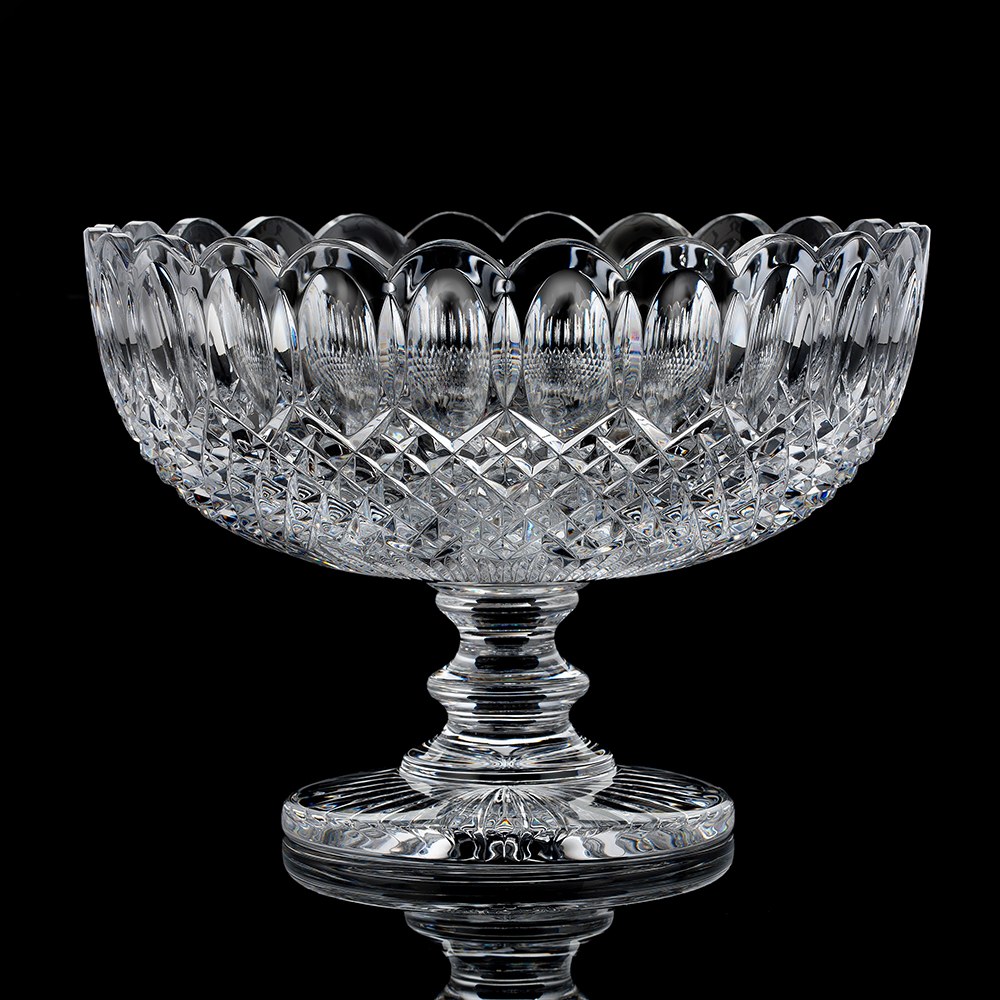
So, is it some sort of unspoken understanding it's a requirement to have a glass crystal manufactory within your borders to be able to call yourself a true Waterford?

A laughable question at first, but it is a very common request for information on identifying patterns. Or worse, asking WHMCC to repair your crystal...

WHMCC can't offer any other suggestions to help you aside from try using a strong adhesive (Gorilla Glue in its clear form is great for odd jobs around the museum) - it's not that we don't want to help with your valued treasures - we just...can't. We don't have the funds, staff, or resources and....


we honestly have absolutely nothing to do
with Waterford Crystal
.
 

Unless you'd like to donate a piece to the museum's collection of items, we'll just be oohing and ahhing over the admittedly beautiful glasswork with you.


Seriously - as far as Australia contacts us for a potential discount on an item or repair that's "cheap" - aka "free" since we're a museum and a lot of assumptions are made about the lack of price at a museum or historical society or any other 501 (c)(3) organization.


And for some reason, WHMCC comes up in search results on Bing for anything with "Waterford", "history" and "crystal" in your search. This screenshot is from just typing in something that you might enter if you were looking to learn more about a family heirloom, using the phrase "Waterford history crystal". Not really sure why we're so close to the top of the results, but the highlighted site is the one that is typically the reference shared with those who ask WHMCC about Waterford Crystal. Occasionally, we also get asked to help identify a piece of Waterford Crystal. That's understandable since it's not a far reach that if you need help with researching something you contact a library or museum.

So, when yet another request came in from someone out of state looking for a way to identify and possibly repair a cracked Waterford Crystal pitcher, it sparked the creation of this blog article. All in good humor towards those mistaken.

It's not surprising that we get a lot of questions about Waterford Crystal. After all, every Waterford is the same, right? Relax, that's a joke. We're obviously the best.

 But in all seriousness, WHMCC looks to help whenever it can with whatever we can do - just keep in mind a couple of very important details that may influence your planning (just in case this is something that needs a quick fix).

  1. There is a staff of 1 part-time museum professional. Our volunteers make up the rest of the museum by assisting with special events and acting as a docent...not as researchers. Typically, these sorts of questions that really don't fall into WHMCC's area of expertise are only given a very quick internet resource search that you probably have already done as well.
  2. WHMCC does not take on research project requests - we'll schedule a visit for you to come use our O'Connor Research Library & Archive if your questions relates to Waterford NY history (click HERE to learn the difference between a Museum Library VS public library.)
  3. Researchers can check out our online database to view a portion of WHMCC collections 
  4. Double-check which Waterford you're trying to reach - if you're out of state (or country) it's understandable that you can't stop by WHMCC for a quick visit. Researchers asking WHMCC for assistance on research relating to Waterford, NY should understand, if your request is taken:
    A: All items have a reproduction fee including digital copies of photos/docs
    B: Research time is $20 an hour regardless if relevant info is found
    C: Min of 2 months for any material (not charged daily, just asking for patience please)
    D:WHMCC has NO GENEALOGICAL RESOURCES = no obituaries, birth/death                certificates, marriage certificates, cemetery records, property deeds, town/village directories...
  5. WHMCC does not repair any items, historical or otherwise. We don't regularly undertake conservation efforts for the already bemoaned reason of funds, so we don't have a go-to person or business to direct you to for these questions. The best we can recommend is to look at a variety of places instead of just your "Museum Professional" as there are state agencies that may be able to assist you (Peebles Island is the home of the NYS Office of Parks, Recreation & Historic Preservation) with much better resources and there are private agencies like appraisers and private conservators who may be able to recommend alternatives.
WHMCC is always - stress on the always - open to your questions. Whether through a direct email, our contact form on our website, or through our Facebook and Instagram accounts, we're listening!

We love to share the history of Waterford, new York, for those just browsing the many different avenues to travel to those needing some help in starting the sometimes daunting-appearing task of research or have already been wading around in those waters for a while. Please reach out to us and if we can help provide answers or recommendations or directions to where you might want to look, we'll do our best to make it happen.

And explore Waterford, NY to see what makes this Waterford stand out from all the rest!

Thursday, March 14, 2019

"Is this the Waterford Historical Society?"


“Hello. Is this the
Waterford Historical Society?”


This is a common way phone conversation to the museum start. Here's a "hypothetical" request.

WHMCC: “ You’ve reached the Waterford Historical Museum. How can I help?”

Caller: “I’m looking for where my great-grandmother lived. Can you tell me where exactly her house was? I'd like a photo of it. Oh! She worked at a small corner store, I think. That would be great to have a photo of too since she worked with her friend there and it meant a lot to her. I also need her obituary so I can put it in an album I’m making. Thanks.”


WHMCC: “I'm sorry. Unless someone donated these photographs or her obituary, the museum doesn’t have these records at the museum. I’ll take a look in our database to see if anything comes up with her name. If you have a street name or store name, I can see if anyone has brought to the museum anything related to your research.You should try the Saratoga County Clerk Office and speak with the County Historian who might be able to help you with resources like Town Directories or old newspaper articles.”


Caller: “But... Isn’t this the Historical Society? Like, that's what you do?”


WHMCC: “You’re speaking with the Waterford Historical Museum.”


Caller: “So? What’s the difference?”


What exactly is the difference??? As long as you can ask a question about the history of the area, they’re interchangeable so it doesn’t make a difference... right?


Early days of WHMCC with founding members
taking in donations to create the collection of the
Waterford Historical Museum in 1964.
Historical societies and museums have very, very similar goals when you look at the missions of each entity. Often, a historical society operates a museum and so those missions can be verbatim. And other times, you’ll see ________County Historical Society Museum. Which really doesn’t help with making it easier to tell if there is a difference.


After all, both seek to collect and preserve the history of whatever location they are serving. This means that they do take in collections as well and sometimes will offer exhibits and educational programs or events like a museum will also do.  

Typically, it’s a case of the historical society coming before the museum. Many early historical societies (or those of today still in formation stages) met in members’ homes or at some other public meeting area like a town hall or library to discuss their efforts and plans. Which also means members probably also stored their items in their homes until they had a definite location that they were loaned or were able to purchase. That is how the museum portion of these kinds of historical society museum can occur.


This is what happened with Waterford’s own historical society. It could have been formed around 1897 with the Waterford Study Club. It was this entity that created the first published compilation of the history of the area – to fill the void from the fires of the 1800s, particularly the 1841 fire that destroyed the records stored in the Town Hall on Broad Street.  This booklet, “The Old Town By The Ford” was written in 1912 by six forward-thinking women concerned with remembering the past of Waterford, NY.


The short answer to "Is this the historical society?": NO,
 You are NOT talking to the Waterford Historical Society


Does this mean that you should look to call the historical society because the museum wasn’t able to fulfill your expectations?

If you go searching for the “Waterford Historical Society”, you’ll probably find a number for a society. Several actually: Waterford, Michigan. Waterford, Maine. Waterford, Connecticut. And yes, we’ll probably pop up in a Bing or Google search of “Waterford Historical Society” somewhere on the list of results. The museum has had to be the bearer of bad news for researchers or interns to let them know they’re in the wrong state (or country sometimes). It happens and it's easy enough to click on the link to us assuming that everything is one and the same. The museum always does its best with the resources available, but historical societies tend to have the same amount and kinds of resources.

Genealogical researchers should definitely check out libraries, hall of records, or county clerk offices for  directories, maps, birth/death & wedding certificates and other documents that assist in this study.


Typically, if a quick search doesn’t come up with a solid result for what you’ve described, the conversation may go like this:


WHMCC: “It doesn’t look like our records have anything with her name attached to it. That happens sometimes when donations don’t have any info attached to them sadly so I can’t determine if your (great) grandmother is in any photos. If you’d like, you can schedule a visit in our O’Connor Research Library to take a look in our database in case anything looks familiar.”


Caller:“Oh, I can’t make it to the museum! I don’t live nearby. I know photos were donated by my cousin to the historical society, so they must be there. Can you ask the historical society to do a little digging or can you look at wherever that other place you mentioned might have them?”


Before we go on, there is something to clarify:


This definitely isn’t meant to sound like the museum doesn’t want to help or is just doing the bare minimum – we’re just as passionate at uncovering this history as you are! We know history has meaning, especially when you’re looking into your family history.


The museum will be happy to have you come by and you’ll receive help in looking through the database as you search for this history.


Why can't the museum just call/email the
 Waterford Historical Society for you?
There isn’t one for New York!


The Waterford Historical Society, like many other historical societies, was active in advocating on behalf of preserving historic buildings in Waterford. As this entity, historical societies can be the voice to these efforts that museums, by their organizational framework, cannot.


That’s why the Waterford Historical Museum cannot qualify a property as historical. 

Nor can WHMCC be the voice of authority that whatever work you plan on doing to your building isn’t going to be potentially harmful to the historic components. Or that it is compatible with historical standards so you don’t loose your tax exemption as part of a historic site or within a national historic district.


A museum research library is a little different from a regular
public library- items are stored in acid-free boxes so just
browsing is not an option. You can make an appointment with
the museum Director to search through WHMCC records!

The Waterford Historical Museum will open up our library for you to do some digging of your own, but the museum is not able to do this research for you or sign off that you’re all set to go ahead with whatever your plan for your property may be. We typically cannot accommodate research requests due to limited staff to search on your behalf.

Historical societies may be able to help you advocate on behalf of your property, but not always so if this is something that you’re interested in learning more about, you can always reach out to your state office of Parks, Recreation and Historic Preservation for more detailed guidelines.


The Waterford Historical Museum does not act as liaison for those interested in getting a property qualified as a historical site/landmark, but we do suggest you try contacting this state agency and their office on Peebles Island in Waterford.

The next part of our conversation may go like:


WHMCC:“Is it possible that your photos were held by the Waterford Historical Society’s president?”


Caller: “Probably. I’m not sure. I just know that she donated them. Why can’t you find them?”


The Waterford Historical Society successfully advocated to preserve the White Homestead, purchasing it for $1 from Grand Union Supermarket, which owned this and other lots on Saratoga Avenue in 1964 that it was demolishing to make way for another supermarket location. The Waterford Historical Society raised funds to move it to where it stands today at 2 Museum Lane, behind Saratoga Ave and nearby the old Champlain Canal Lock 4, close to the Cohoes-Waterford dam and bridge.


But during the movement and establishment of the museum, there was a difference in future plans and goals. Some members of the Waterford Historical Society did not want to have anything else to do with the museum and remained separate from the emerging museum Board of Directors that quickly took over the operations of the Waterford Historical Museum and Cultural Center in its early days.


Long story short: 
The Waterford Historical Society remained in operation for another couple of decades or so after the Waterford Historical Museum was founded. Sadly, their records of donations were not shared with the museum so there is absolutely no way for the museum to track these items. 


Even more frustrating is that there is a good possibility there was no system of records at all for the donations to the society. After the death of the Waterford Historical Society’s president, his son had no idea that what all those items in his house were donations. He naturally assumed as he was putting his father’s affairs in order that they all were personal property…and did what anyone else does with all the "junk" that piles up.


Albany Institute of History & Art has a painting by Waterford
 painter Ralph Savage that had been donated to the Waterford
Historical Society. It made its way to this facility due to a
lack of directions for donated items and  whoever donated it to AIHA
had no clue that it was intended to be a part of the
 Waterford Historical Museum & Cultural Center's collections.
Some items made their way to other museums like the Albany Institute of History and Art, and other items were passed along to other family members or outright sold. It’s a sad situation, but the museum really cannot assist in helping you locate these items as the museum founding members had no account of their own to even offer crumbs to begin putting the pieces back together.  It has happened a few times that people will visit looking to see an item donated to the Waterford Historical Society by a family member to be out on display at the museum or to have the museum locate it in their collection.


WHMCC will offer to have you visit with us to determine if anything looks similar for what we have in our records labeled as FIC (Found In Collection = donated to the museum without any donor information or background information on the item’s history).


Rest assured that the museum has a process for accepting donations that aims to prevent this situation from happening. To donate an item, a form must be filled out with a contact name and specify what you would like to have done with the item if the museum’s collection committee determines the museum is unable to accept the item into our collection of artifacts. Donors not giving their item as an unconditional donation are notified of the result of the committee’s consideration and then a deed of gift is sent out so that official ownership is transferred to the museum. Items are given 6 months after their consideration if not accepted for donors to come pick up their item.

So hopefully the end to this conversation can go something like this:


Caller: “Wait, I think my cousin actually donated these photos later. Maybe it was to the museum and not the historical society. Can you check under her name?”


WHMCC: “Sure. It looks like there was a donation at that time from your cousin. There’s only one photo but there are several people in it. Maybe you can pick out your (great) grandmother from this group. If you can identify anyone else, we’d be glad to add that to our records.”


Caller: “Okay. How do I get the photo?”


WHMCC: “It’s a cost of $3 to get a hard copy of the photo mailed to you or 10 cents to get a photocopy on standard printer paper that we can mail to you for the cost of a regular stamp. Or we can email you the photo for 50 cents. You can pay via cash, check or through our PayPal button on our website.”


Caller: “Thanks.”


WHMCC:“Glad to help!”


Friday, March 1, 2019

WHMCC'S Upcoming Events Getting Closer To Open Season


Thank you to everyone who visited during our February art exhibit, "Wright of Passage" presented by local Waterford photographer, Robert Wright! It was great to see so much support from the community for the museum and The ARC of Rensselaer County.

We're now back in our off-season schedule preparing for our upcoming season in May.
You can still get in touch with us to discuss volunteer internship opportunities, scheduling appointments in our George & Anabel O'Connor Research Library, or to inquire about viewing our permanent exhibit, "Born of Two Rivers: An Illustrated History of Waterford NY" at the museum.

But there's still plenty we offer in the meantime!

Our Winter Lecture Series Conclusion will be held
 March 12th at the Van Schaick Island Country Club.


There is a change from the previous listing, as the topic of "Along the Erie Canal" has been postponed to a later presentation at the Waterford Historical Museum & Cultural Center building sometime in the summer. more details on this lecture will be shared on the museum website soon.


To conclude our series, WHMCC Director Anastasia Garceau will present a talk on the Button Fire Engine Works of Waterford, NY. this lecture will give an overview of the history of this nationally - and internationally - known manufacturer of fire apparatus that called Waterford NY its home. it is based on the booklet, Standard of the Age, by previous museum director, Brad Utter.

Our ever-popular Trivia Night is also returning March 15 !!


Guests are invited to either come alone or to bring a team with them to test out their trivia expertise and compete for the coveted Smart "Sal" trophy and bragging rights. included in your ticket is buffet-style corned beef and cabbage and pizza margherita, as well as yummy homemade desserts to go with coffee and tea. There will be raffle prizes too! It's a fun night out for everyone with some great food and friends!

This is a reservation-required event.


We do frequently sell out for this event - please call the museum at 518-238-0809 or send us an email at info@waterfordmuseum.com to reserve a seat or a table (up to 8 people at a table).

In April, our Canal Clean Sweep event is a great way to help preserve not only the history of the area, but to help clean up the area to make it as enjoyable as possible for everyone! Registration for this free event is recommended (if you'd like to receive a t-shirt, please register as we have a limited supply and this is a first-come first-serve situation with these handouts - which look great by the way). it will be held at the old Champlain Canal Lock 4 located just in front of the Waterford Historical Museum & Cultural Center on the Champlain Canal Trail.

Join us Saturday, Apil 27th from 9am - 1pm with your gardening gloves and clothes you don't mind getting a little dirty as we take pride in our local landmarks.

Register at the link: 
https://ptny.wufoo.com/forms/2019-canal-clean-sweep-volunteer-registration/

Our opening reception for our museum season will be
 Friday, May 4th from 7pm -9pm. 

The museum hopes to see you at all these great events. See you then!

Monday, February 4, 2019

CanalWays 2019 Making Changes To Its Program


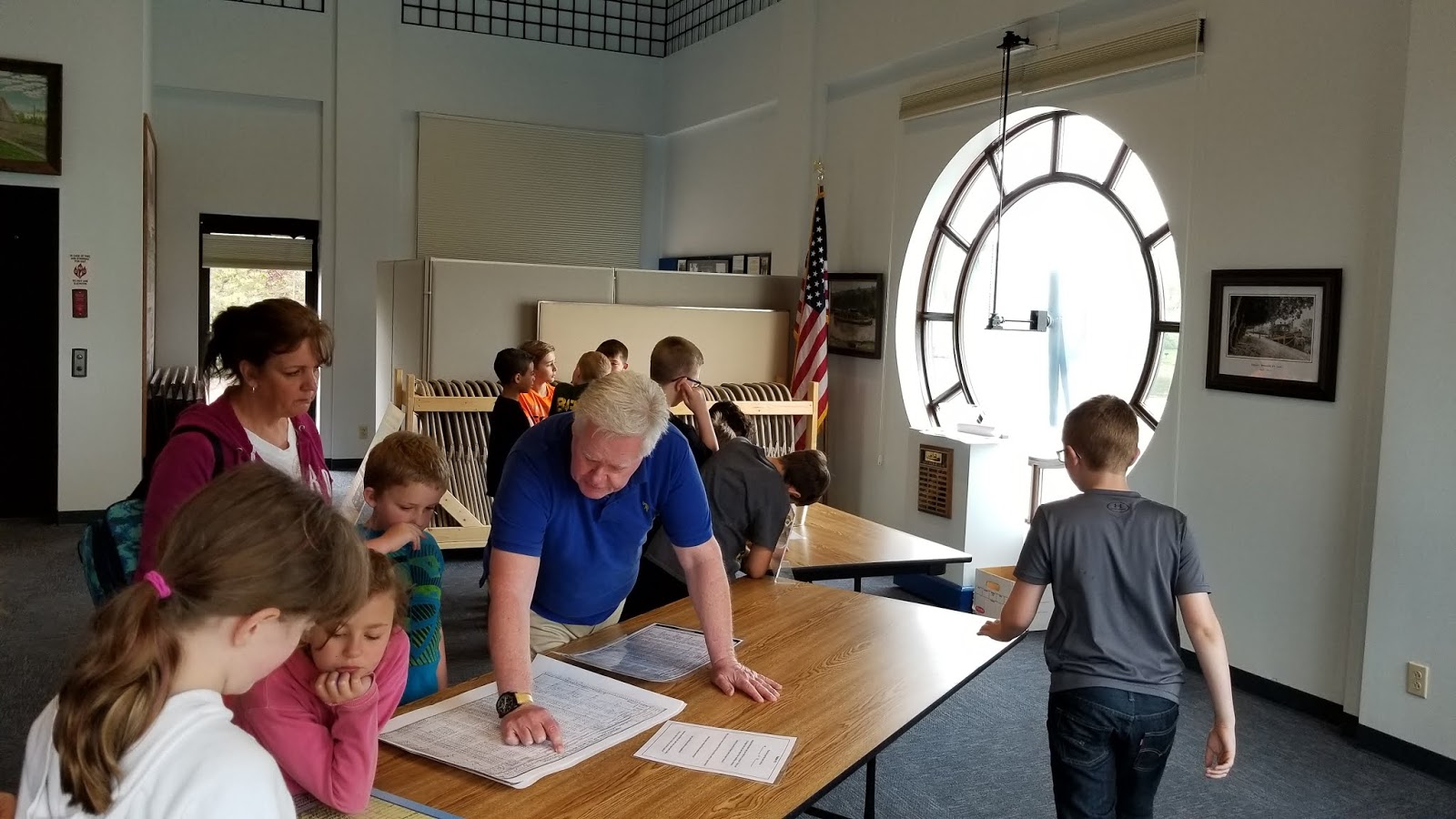
One of the few things that stands out for any kid during the school year is the field trip. Coming from an admittedly biased point of view here at the museum, the visits to historical sites and museums or anytime that a field trip meant a trip out to a, well, field of some kind (aka not a classroom), tends to stands out the most. Luckily, there are a plethora of nearby historic sites that local schools can take advantage of to fulfill this part of students’ experiences! 


Waterford and the WHMCC is all too happy to provide the opportunity for local schools to fill that anticipation with the program known as CanalWays. As the name implies, it centers on the canal, taking place at Lock 2, the Old Champlain Canal trail, and the Waterford Harbor Visitors Center. And the best way to do that so students can get that hands-on experience is to actually visit the NYS Erie Canal.

Having gone by a couple of other names – NYS Canal System and the Barge Canal – this system of canals continues to follow in the legacy of the original Erie Canal as it celebrates its bicentennial years. This program offers students a chance to learn the history of the bygone canal era by being able to physically stand on the ground where all those facts and details came from that they learned in their history books. At the same time, it also is a visible reminder that history is an ongoing concept as they get to see the canal in action.

To make it possible to share Waterford’s involvement in history (including local, state, national, and international history) involves a number of partners. The museum works with the New York State Canal Corporation, the Erie Canalway National Heritage Corridor, the Waterford Canal & Towpath Society, and the Town of Waterford.

WHMCC actively coordinates these partners to organize and create content for program, which is designed into 5 segments and a picnic lunch segment at the Lock 2 Park area. The museum acts as a contact for teachers to schedule their trip for their students and as a resource for updates on the not-so-enthralling but so-very-crucial details of the program like daily schedules and safety guidelines to make sure everyone involved has a safe as well as enjoyable time at the canal.


Canalways is an outdoor program, except for a segment that takes place at the Waterford Harbor Visitors Center upper floor -  which has a great boat window to give an amazing view of the Mohawk and Hudson River and the entrance to the Waterford Flight of Locks that begins the NYS Erie Canal.  This segment is the only portion of the program with any handicap aids.


There is a lot of walking involved in this program – so make sure to wear your comfy shoes, have your sunblock ready and be prepared to explore rain or shine!


CanalWays has been offered to local students for over 15 years. The most memorable portion of past programs has to be without doubt the ride through Lock 2 on the historic Grand Erie Barge. This barge is owned and operated by the New York State Canal Corporation.


However, due to the Canal Corporation’s transitioning from the Thruway Authority to the Power Authority combined with state funding cuts and a lack of captains to operate the vessel, CanalWays 2019 will be the first year that this beloved portion will not be available at all. 

Last year, the barge was only able to sail for a couple days of the program. The Urger, the tugboat that used to act as the flagship of the canal fleet and was a floating classroom in that regard, was retired and so the Grover Cleveland filled the role of a tugboat docked at Lock 2 for students to be able to view. They were not able to board the vessel, but it was used in the Canal Corporation’s segment on the history of the canal. 

While the barge will not sail at all in 2019, the Canal Corporation will offer students an opportunity to explore the inner workings of the barge by inviting them aboard as they did last year for a tour of the vessel. It will be docked at Lock 2 and despite not being able to go through the locking system, the canal will be open during this program so students get the chance to see an operating canal.


The past couple of years, students were able to view the grand opening ceremonies of the canal season. Even though the rain held off last year for the speakers to finish their speeches, it let loose shortly afterward and cancelled the rest of the day’s program. 
Pulling the mini Matton, a scale model barge, on the old
Champlain Canal Trail with Waterford Historian,
Russ VanDervoort, of the Waterford Canal & Towpath Society
This year, students will miss out on the photo op with state officials for the gran opening. But they will hopefully get the chance to see how a working canal operates and get a chance to view the locking process as the canal is used by a variety of boats.

The cost for the program is $5 per student and school will need to cover transportation costs. Luckily, there is some funding aid available in the form of our partner ECNHC’s “Ticket to Ride” program.
Due to their own state funding cuts that influenced the funding aid last year, the student count financed under the "Ticket to Ride" funding aid in the past has been reduced by about half of what it was a few years ago. But the museum would like to make sure that credit and gratitude is given where it’s due as the ECNHC has worked hard to be able to continue to support the local Waterford program.

If schools are not able to be included in this aid, as it works based on a fixed student count from all the prospective schools looking to participate in the week-long program, they are still able to schedule with the museum. They will be charged the amount previously listed, but the lack of inclusion in Ticket to Ride does not mean that we will turn schools away.

There are some conditions though that partners ask teachers to consider:

1.       Time Frame of the Program: The duration of the program is 9:30am to 1:30pm and segments are built so that lunch is scheduled for the end of the day. If that time frame doesn’t work for your school, unfortunately there isn’t much wiggle-room to be able to accommodate any changes. Partners are available only for these hours and more than 1 school may be booked for the day, making rearranging schedules impossible due to group size constraints. All partners do their best to try and accommodate everyone – taking a wrong turn happens and delays are inevitable as the day goes on as bathroom breaks always take longer than they should  – but schools are asked to commit to the full 4 hours.

2.      Group Size: the program is designed to accommodate a maximum of 90 students a day. For some schools with over this amount in their 4th grade class, CanalWays cannot accommodate the group sizes to remain at safe levels. Please remember that we’re by the water for the entirety of the program. We want everyone to have fun, but we also need to make sure that the volunteers at each segment can keep track of everyone in the group, as many segments have only 1 or 2 segment leaders. Chaperones and teachers will need to be available to assist in this regard.

3.     Grand Erie Barge: Should a barge ride be offered, schools need to consider the amount of safety vests that are available on the barge. Every person on board the barge for a ride through Lock 2 must be wearing one of these safety vests – this includes teachers, chaperones AND the often overlooked crew that also will be wearing these vests, bringing the number to 30-33 total persons. If there are more people than vests, the barge will not be sailing. The canal is also a fully-functioning and operating canal, which means that if commuter traffic needs to use the lock, CanalWays will be waiting until the boats have gone on their way. This can mean a 15-20 minute delay, which may impact some students’ chance to ride. For the 2019 program, this is not a concern, but something to keep in mind if Canal Corporation is able to offer a barge ride through Lock 2 in the future.


CanalWays ends each day with an outdoor picnic lunch that students bring with them to Lock 2 Park area. It’s a chance to burn off some of whatever excess energy all this excitement at the canal has built up…and a chance to visit the restroom at the Visitors Center. 
Students can spend that time looking over the old side-cut locks of the Champlain Canal that act as a spillway for the current lock, producing an artificial waterfall (that makes for another great chance at memory making with a photo). It’s a very clear look at the old and the new, and the amazing engineering that was the original canal systems.

This program is a great way for students to get to learn more about Waterford and the canal in a fun and exciting way! All the partners involved are always glad to see the enthusiasm of the fourth graders while participating. 
The NYS Canal Corporation provides memorable experiences with the barge and at the lock itself, hoping to foster or encourage that enthusiasm to thrive.  The Waterford Canal & Towpath Society gives students a glimpse into past on the old Champlain Canal route with its scale model barge students get to handle as they walk the old trail.

The canal journey doesn’t have to end after the field trip.
Stop by the museum to find something new every time you visit!
And the museum is happy to be able to share the history and the canal culture that developed in Waterford, NY. There’s a lot within and on the walls of the WHMCC about the canals and the influence of the surrounding waterways on the area – native settlements, Dutch towns, Revolutionary War “Water Ford”, the famous Button Fire Engine Works, and the building of the original Champlain and Erie Canals with a working scale model of a river lock for visitors to use!

Wednesday, January 16, 2019

February 2019 Photography Exhibit

The Waterford Historical Museum and Cultural Center is partnering this February with The Arc of Rensselaer County, "the largest national community-based organization advocating for and serving people with intellectual and developmental disabilities and their families." Robert Wright, a local Waterfordian, is presenting his work depicting various scenes of Waterford at its finest and through the season, which will be displayed at the museum for the month of February only.

Robert Wright has been an active professional in photography since 2010, with his work being featured in numerous events, such as the Schenectady Gazette and on the Time Warner News Network. He's also been recognized by the New York State Association of the Board of Visitors Conference in Albany, Rochester, and Buffalo, New York. Robert's work has placed in competitions of the Schenectady Photographic Society as well.

Using a wheel chair perspective to portray what he sees and how he sees the world, his pictures have a unique look compared to that of traditional photographers. Due to a congenital condition he has limited mobility of his arms. Robert uses his head and a keen eye to activate the shutter release on his camera.

The Waterford Historical Museum & Cultural Center is proud to join the list of institutions presenting his work, including many libraries like William K. Sanford, Brunswick Community Library, Sand Lake Town Library and the Photo Center of the Capital District the Chapel and Cultural Center of the prestigious Rensselaer Polytechnic Institute in Troy, New York.

No matter where his work is, it wows and delights people everywhere! The museum is holding its opening reception to the public on Friday, February 1st from 7pm to 9pm. Admission on this night is free to attend to view his photographs of scenes especially near and dear to locals.
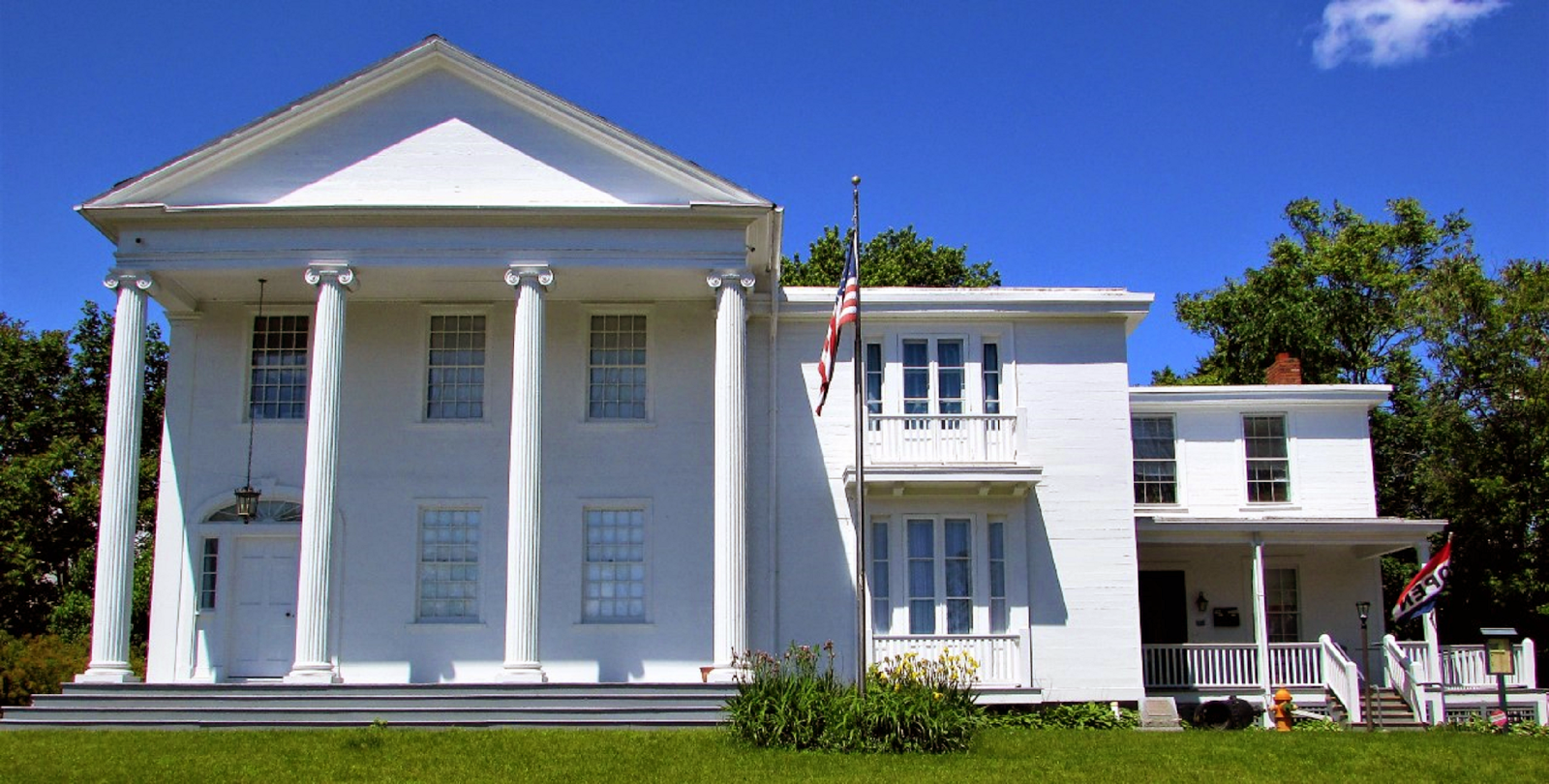
The exhibit will be on display for the month of February only. Standard museum admission fees apply of $6 adults and $5 children/seniors. It is available from 10am to 3pm, Tuesdays through Fridays. His work will also be available for purchase at the end of the exhibit.